Much of the attention on this year’s bull run in stocks has focused on AI-fueled Big Tech and its rising influence in benchmarks such as the S&P 500 Index. But while Wall Street remains obsessed with the largest companies, the smallest slice of the market-cap pie has quietly pulled ahead of the pack in recent weeks.
Macro Briefing: 9 October 2025
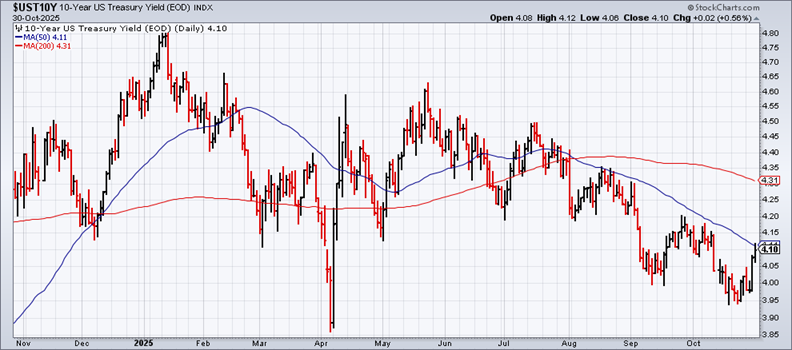
Federal Reserve officials are leaning toward additional interest-rate cuts this year, according to Fed minutes for latest policy meeting. The reasoning: weakness in the labor market. “In considering the outlook for monetary policy, almost all participants noted that, with the reduction in the target range for the federal funds rate at this meeting, the Committee was well positioned to respond in a timely way to potential economic developments,” the minutes stated. Meanwhile, the policy-sensitive US 2-year Treasury yield continues to trade near its low for the year to date.
Red Ink In A Green Year: 2025’s ETF Underdogs
The year to date has been notable for a broad rally that’s lifted all the major asset classes, but it’s not hard to find a wide array of losers when you look below the surface. As a result, contrarians and deep-value investors can easily find opportunities in the search for battered assets, based on a select review of ETFs through Tuesday’s closing prices (Oct. 7).
Macro Briefing: 8 October 2025
Global trade expected to rise more than previously expected in 2025, but next year’s volume is projected to slow to a lackluster 0.8% increase, according to the World Trade Organization. “Trade growth will likely slow in 2026 as the impact of the cooling global economy and new tariffs set in,” the group predicts.
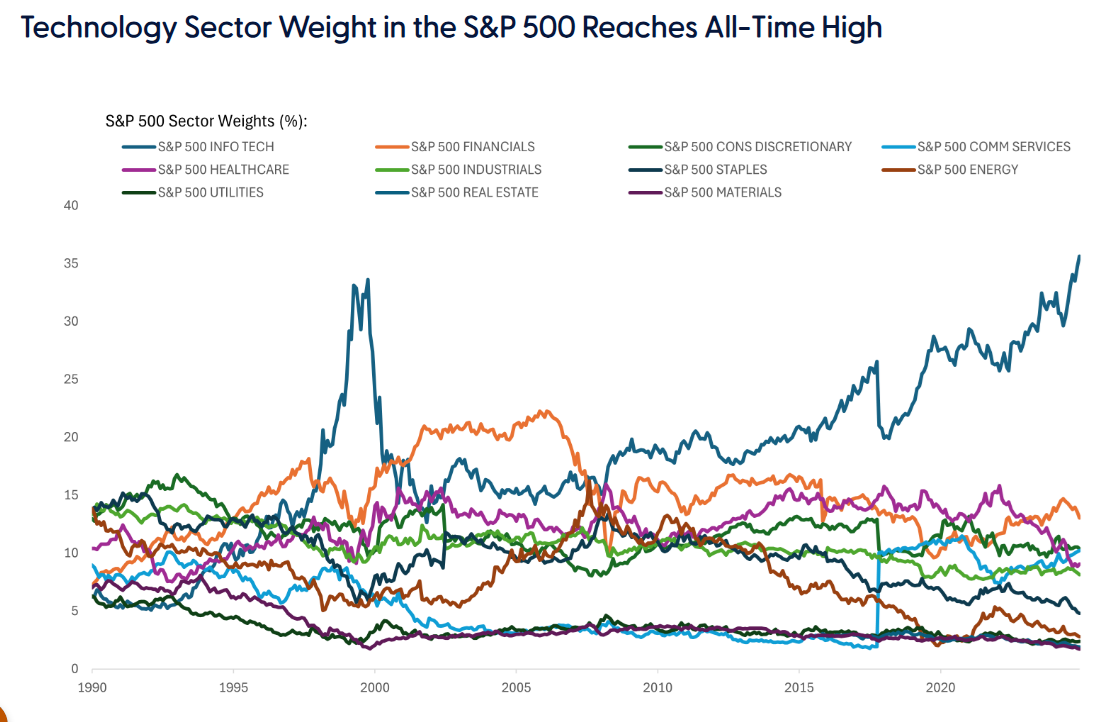
Tech Stocks Still Lead Equity Sectors This Year
The dominance of the technology sector is old news for the stock market, but it’s no less potent at the start of the fourth quarter. A set of ETFs continues to highlight that the biggest tech firms are still leading the market, based on trading through Monday’s close (Oct. 6).
Macro Briefing: 7 October 2025
Gold rallies to yet another record high at a time of growing uncertainty on multiple fronts. “Strong ETF demand remains key, driven by ‘FOMO’ and eroding trust in traditional safe havens,” said Ole Hansen, head of commodity strategy at Saxo Bank, adding that central bank demand and lower bond yield are also factors.
Will Markets Continue To Ignore The Government Shutdown?
The US government shut down last week, and markets barely noticed. If the closing of federal agencies, which is delaying key economic reports, is a risk factor, it’s not obvious on Wall Street. All the major asset classes continued to rally through for the trading week through Friday, Oct. 3, based on a set of ETFs.
Macro Briefing: 6 October 2025
The US services sector stalled in September, downshifting to the weakest pace since 2020 via the survey-based ISM Services Index. The index dropped to a neutral 50 reading. The employment component of the ISM services gauge shows shows the number of workers in the sector contracting for fourth straight month.
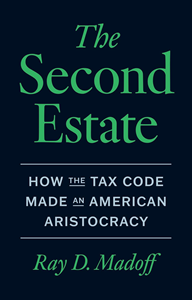
Book Bits: 4 October 2025
● The Mismeasurement of America: How Outdated Government Statistics Mask the Economic Struggle of Everyday Americans
Gene Ludwig
Review by Jared Bernstein via Washington Monthly
This duality between the data and how people experience the economy is the subject of The Mismeasurement of America, by Gene Ludwig, a former comptroller of the currency during the Clinton administration. Focusing on unemployment, wages, inflation, and the growing economic distance between Americans at the top and the bottom of the income scale, Ludwig argues that the problem is that the numbers I was touting were, if not quite wrong, then “profoundly misleading.” He then develops his own set of numbers, which he argues better explain why people have long felt a lot worse about the economy than you’d glean from the government’s top-line statistics. [Bernstein is the former chairman of the United States Council of Economic Advisers under President Joe Biden.]
GDP Stays Strong, But Job Cuts and Shutdown Cloud Q4 Outlook
Welcome to day 2 of the federal government shutdown, which means that today’s scheduled non-farm payrolls report for September will be postponed until the Bureau of Labor Statistics reopens. The timing for a data blackout is especially problematic because uncertainty is increasing about the economy. The already-challenging environment for setting monetary policy, due to the still-evolving impact from tariffs, is making the Federal Reserve’s job even harder, a scenario that lifts the possibility of a policy mistake. In the current climate, published data from private sources and Federal Reserve banks, which are still operating, are increasingly valuable. Here’s a quick look at some key economic updates published so far this week as the data void for official reports continues.