Barring a last-minute deal between Democrats and Republicans today, the government is on track to shutdown at 12:01 am. If funding for the government ends, it would temporarily suspend some, but not all, US government operations until Congress agrees to a budget to reopen the affected services.
Monthly Archives: September 2025
Macro Briefing: 30 September 2025
US pending home sales rose to a 5-month high in August. “Lower mortgage rates are enabling more home buyers to go under contract,” said Lawrence Yun, chief economist at National Association of Realtors. “In the Midwest, low mortgage rates combined with high levels of affordability are attracting more buyers compared to other regions.”

Foreign Stocks Still Lead Global Markets In 2025 Going Into Q4
Pick an asset allocation. Any allocation. All the possibilities have been winning combinations so far in 2025. As a result, the most-striking aspect of global markets as the third quarter winds down: across-the-board gains continue to prevail for the major asset classes, based on a set of ETFs through Friday’s close (Sep. 26).
Macro Briefing: 29 September 2025
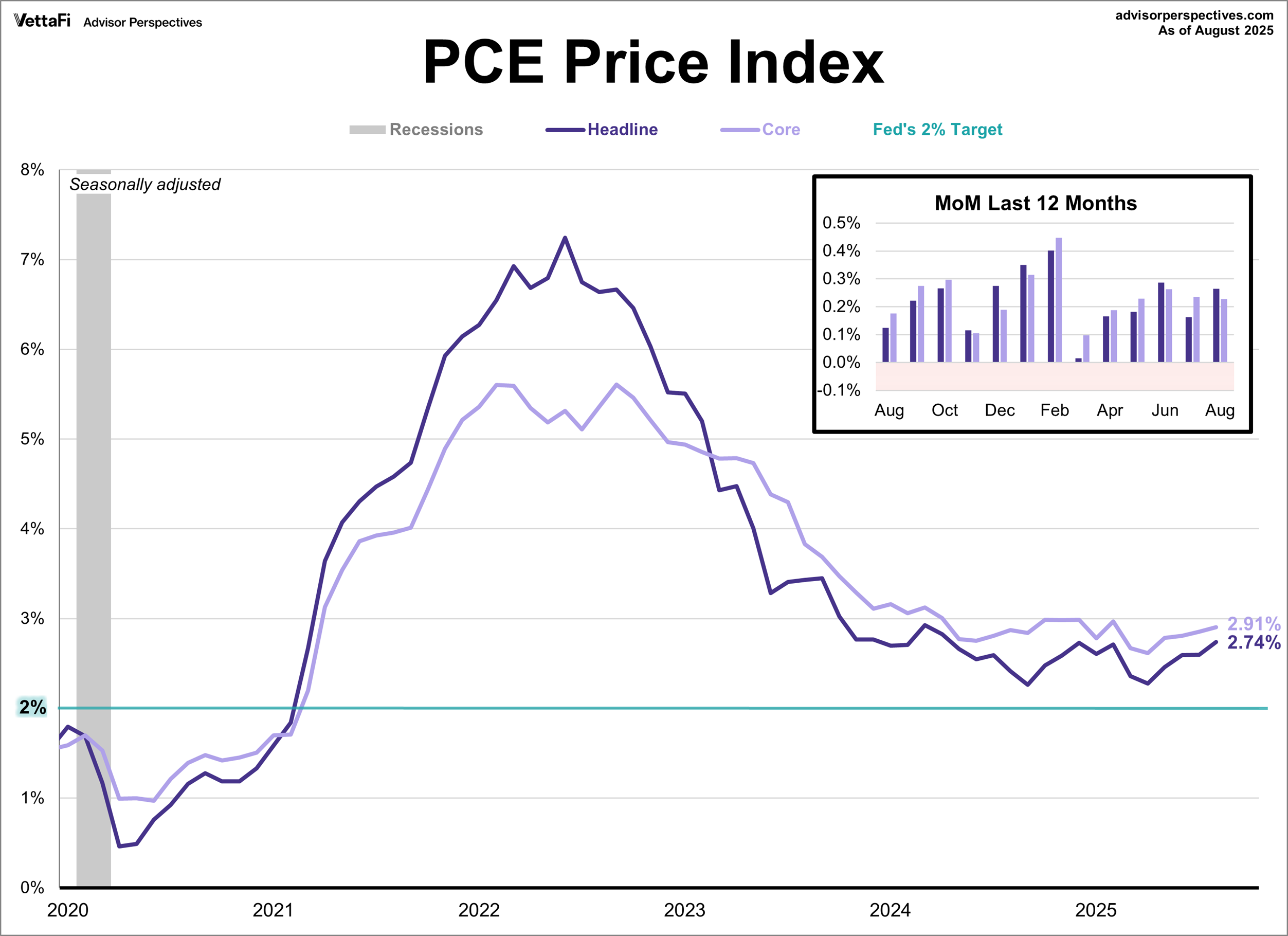
US inflation continued to edge higher in August based on a price index for personal consumption expenditures (PCE). The headline index was up 2.7% year-over-year, the highest level since April 2024. Core PCE prices, which exclude volatile prices for food and energy, rose 2.9% over the year, matching July’s trend.
Book Bits: 27 September 2025
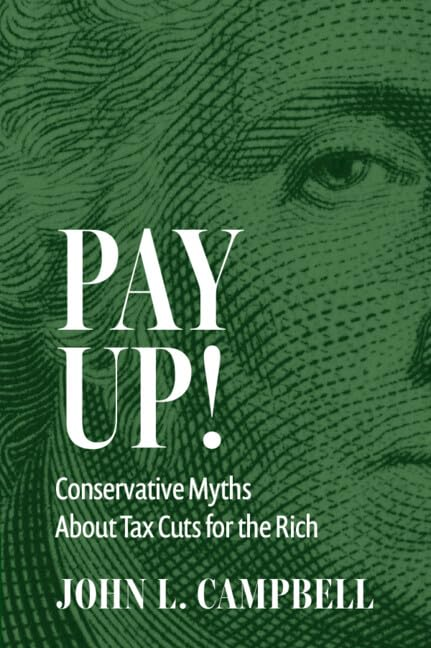 ● Pay Up!: Conservative Myths About Tax Cuts for the Rich
John C. Campbell
Summary via publisher (Cambridge U. Press)
Since the Reagan era, conservatives in the United States have championed cutting taxes, especially for wealthy individuals and corporations, as the best way to achieve economic prosperity. In his new book, Pay Up!, John L. Campbell shows that while these claims are highly influential, they are also wrong. Using historical and cross-national evidence, the book challenges and refutes every justification conservatives have made for tax cuts – that American taxes are too high; they hurt the economy; they facilitate government waste; they constitute an unfair downward redistribution of income; and they threaten individual freedom – and conversely shows that countries can actually benefit from higher taxes, especially when tax increases fall most heavily on those most able to pay them.
Foreign Bonds Remain A Winning Trade In 2025
Tilting portfolios toward non-US bonds has been a successful strategy for fixed-income allocations in 2025. The Federal Reserve’s recent pivot to rate cuts could keep the trend humming through the rest of the year.
Macro Briefing: 26 September 2025
US jobless claims fell again last week, blunting concerns that the labor market is in danger. First-time filings for the week ended Sept. 20 totaled a seasonally adjusted 218,000, close to the lowest level this year.

Is A Highly Valued Stock Market A Warning Or The New Normal?
The legendary investor Sir John Templeton famously warned: “The four most dangerous words in investing are: ‘This time it’s different.'” The caveat is once again topical as the stock market continues to rise despite high valuations. The rationale: artificial intelligence has changed the game.
Macro Briefing: 25 September 2025
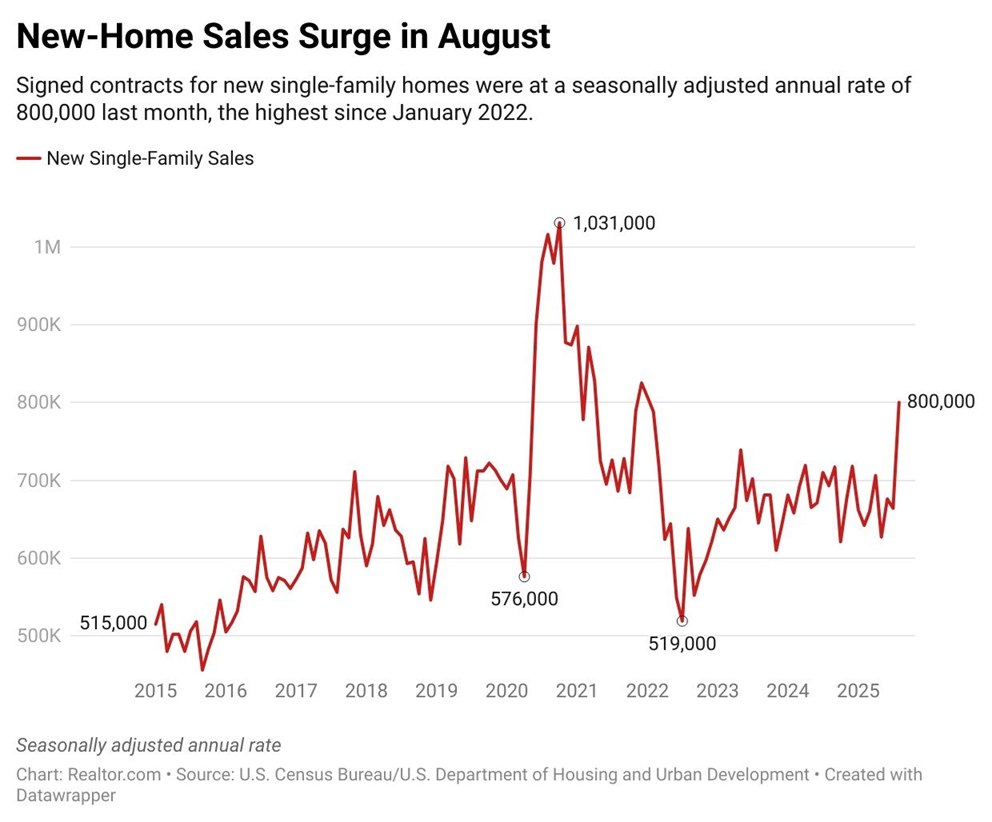
New US home sales surged in August. Signed contracts for new single-family homes jumped to a seasonally adjusted annual rate of 800,000, a 21% from the previous month and 15% above the year-ago level. Nancy Vanden Houten, a lead US economist at Oxford Economics, said the increase “likely overstates any improvement in housing activity. New home sales are prone to heavy revisions. A flat-ish trend in sales, similar to what has been evident all year, seems more likely.”
US Q3 GDP Nowcasts Indicate Solid Growth After Fed Rate Cut
US economic growth is still on track to expand at a moderate pace in the third quarter, based on the median estimate for a set of nowcasts compiled by CapitalSpectator.com. The upbeat outlook follows last week’s decision by the Federal Reserve to cut its target interest rate to address concerns that the labor market is cooling.